







Search Results for: extraction balance
In-Depth Analysis of Espresso Dose Control: Extraction Adjustment Strategies from Gram Weight Differences to Flavor Balance
Many coffee enthusiasts are intimately familiar with latte art and equipment, yet when it comes to espresso extraction, they often overlook dosing, puck management, and tasting judgment. In fact, dose control is just as critical as grind size adjustment—fluctuations in dose mean that even the most beautiful latte art cannot mask an imbalance in the coffee itself. Starting from the TDS and extraction yield formulas, and drawing on a 2.3-gram dose difference measured on a Mazzer Robur grinder, this article uses charts and data to illustrate the specific effects of dose on concentration, extraction yield, and the balance between acidity and bitterness, and explores approaches to dosing for light-roast espresso. Front Street Coffee also emphasizes the importance of dose consistency in its daily output, and we hope this article offers practical reference for your extraction adjustments. [more…]

Brewing Guide for Medium-Dark Roasted Coffee Beans: How to Extract a Balanced and Full-Bodied Flavor
Many coffee enthusiasts hope to drink a cup of coffee that is neither too sour nor too bitter, pursuing a balanced flavor and a rich, mellow mouthfeel. Medium-roast coffee beans happen to strike a balance between sweetness and acidity while offering a full-bodied mouthfeel, but brewing them well is no simple task. Starting from Front Street's growing experience and combining the characteristics of "Front Street 2013," a medium-roast Yunnan Typica bean, this article provides a detailed analysis of key parameters such as dripper selection, grind adjustment, and water temperature control, along with a complete brewing demonstration to help you easily make a cup of rich, aromatic, well-layered medium-roast coffee. [more…]

Coffee Flavor Experiment: Can a Pinch of Salt Neutralize Bitterness and Improve Flavor Balance?
What should you do if your coffee is too bitter? Some people suggest that adding salt can improve the taste. In this article, through a controlled experiment with Mandheling coffee, we tested the effects of three different amounts of salt—0.01g, 0.02g, and 0.03g—on the coffee's flavor. The results showed that 0.02g of salt balanced the bitterness and saltiness, enhanced the body, and made it easy to drink; while 0.01g still had a pungent taste, and 0.03g was too salty. The experiment showed that adding salt can indeed mask bitterness to a certain extent, but similar to the bypass method, it is mainly suitable for rescuing extraction mistakes or coffee that is about to go wrong. If the coffee itself is perfectly extracted with balanced acidity and sweetness, adding extra salt will instead disrupt the flavor balance and artificially create negative tastes. [more…]
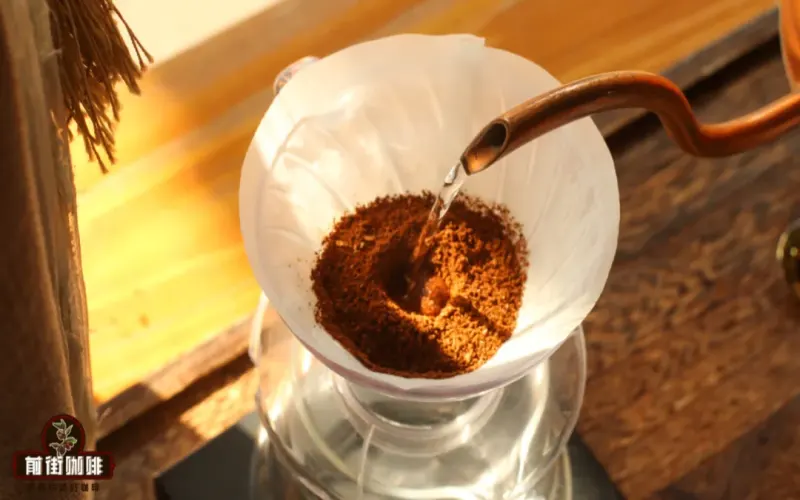
Master these two core formulas to easily make a well-balanced Italian latte
Latte coffee seems simple, but in reality it hides real craftsmanship. Many people follow a recipe, yet the final result always feels like it falls a bit short, and the problem often lies in parameter control. This article starts with the espresso extraction formula and the coffee-to-milk ratio formula, breaking down how to use variables such as the coffee-to-water ratio, extraction time, and milk quantity to bring a latte to a state of balanced flavor and full-bodied texture. Whether you prefer the rich chocolate notes of a dark roast or the bright fruit acidity of a light roast, the article provides corresponding adjustment approaches, and also includes a simple method for iced latte, helping you elevate your latte from "drinkable" to "delicious." [more…]

Blue Mountain No. 1 Coffee Pour-Over and French Press Brewing Techniques: How to Showcase the Balanced Flavor of Specialty Blue Mountain Coffee
Blue Mountain No. 1 coffee is famous for its clean, mellow flavor with a balanced mix of acidity, sweetness, and bitterness, making it a favorite among many coffee lovers. To fully unlock the charm of these specialty beans, choosing the right brewing method is crucial. This article uses the Jamaican Blue Mountain No. 1 coffee beans sold by Front Street Coffee as an example to share in detail the specific parameters and techniques for two extraction methods: pour-over drip and French press immersion, and analyzes how a medium-dark roast profile shapes the classic Blue Mountain flavor. Whether you prefer the layered complexity of a dripper or the rich body of a French press, you'll find practical guidance here. [more…]
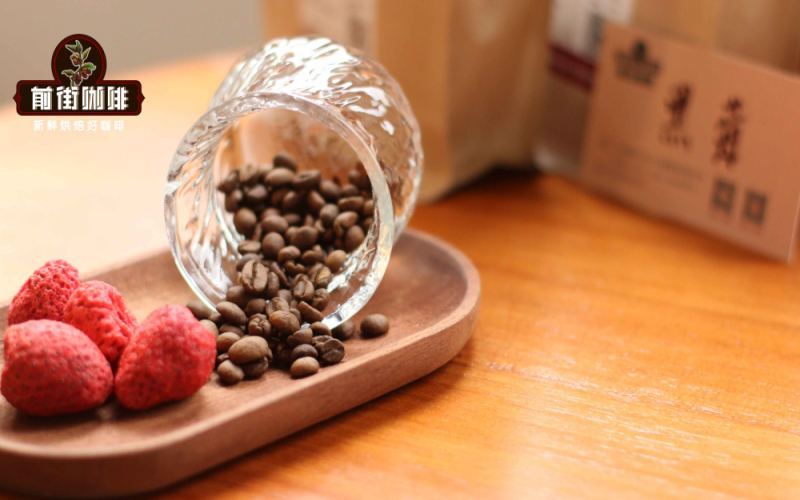
Pour-over light roast coffee too sour and hard to drink? Adjust grind, time, and water temperature to brew a sweet, balanced cup.
After specialty coffee became popular, light roasting gradually became the mainstream, and coffee's flavor shifted from a single note of bitterness to a layered richness of acidity. However, many people brewing at home always feel that the same beans taste noticeably different from what they get in a café—in the café, the sweetness and acidity are balanced, while what they brew themselves is sharp and astringent, like biting directly into a lemon. This gap usually stems from two aspects: first, the beans themselves have relatively high acidity; second, insufficient extraction prevents sweetness and bitterness from being released in time. This article will start with three key variables—grind size, extraction time, and brewing water temperature—to explain how to bring the sweet-to-sour ratio of light-roasted coffee back into balance, and will include a complete brewing demonstration of Front Street Yirgacheffe·Gededing for reference. [more…]

Is the instability of pour-over coffee flavor just mysticism? Analyzing the extraction science of grind, water temperature, time, and ratio
Many coffee enthusiasts have experienced this confusion: why does the same bean taste different every time it's brewed? Occasionally a stunning cup of coffee is brewed, but it's hard to reproduce afterwards, so some people attribute coffee extraction to "metaphysics." But in fact, extraction is a quantifiable, reproducible scientific process. Water acts as a solvent, dissolving the flavor substances from the coffee grounds, while parameters such as grind size, water temperature, time, and coffee-to-water ratio all directly affect extraction efficiency, and thereby determine the final flavor in the cup. Taking Ethiopia Huakui as an example, Front Street uses 15g of grounds, a 1:15 coffee-to-water ratio, caster sugar grind size, and a two-minute three-pour brewing method to consistently obtain a coffee with balanced acidity and sweetness, carrying citrus, strawberry, and creamy floral aromas. This article will systematically explain how to achieve flavor stability and targeted adjustments by recording and controlling parameters, and explain the scientific logic behind the differences in dissolution rates of sourness, sweetness, bitterness, and saltiness. [more…]
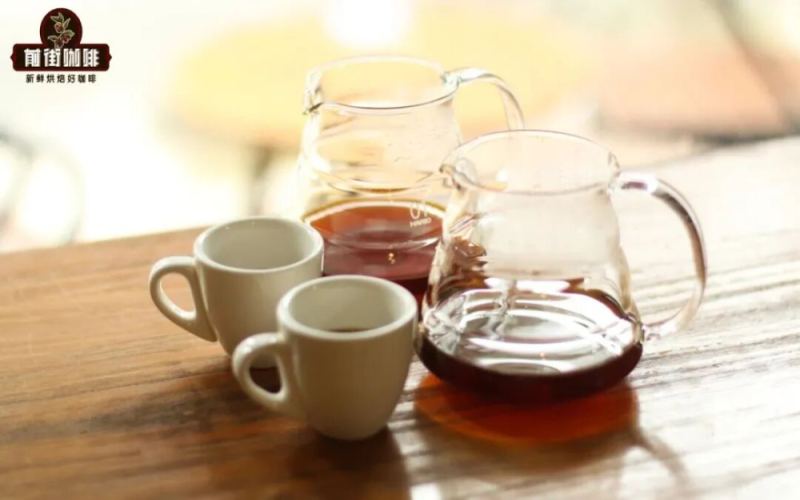
Pour-Over Coffee Tasting Guide: Judging Extraction Success and Light/Dark Roast Flavor Differences Through Balance, Finish, and Aroma
The most direct way to judge whether a cup of pour-over coffee is successful is to drink it. But to truly improve your brewing skills, intuition alone is far from enough—you also need to master a systematic tasting method. From the perspective of Front Street, this article simulates the evaluation process from the customer's role after a barista serves a cup of pour-over, unfolding along three dimensions: first, confirming there are no strong negative tastes; second, sensing whether the mouthfeel is relatively balanced; third, paying attention to whether the aroma continues to be released. At the same time, combined with extraction examples of light-roast and dark-roast beans, it explains the relationship between flavor expression and parameter adjustment under different roast levels, helping coffee lovers build a clear tasting framework. [more…]

How Beginners Can Brew a Good Cup of Coffee with the Perfect Strength and Balanced Acidity, Sweetness, and Bitterness: A Full Guide to Grind, Dose, and Water Temperature Adjustment
To brew a cup of coffee at home that is both balanced and moderate in strength, relying on a single fixed set of parameters is far from enough. Starting with coffee bean selection, this article breaks down how to flexibly adjust the extraction plan for coffee beans in different states around three core variables: grind size, dose, and water temperature. It also specifically shares correction ideas for when strength and taste balance deviate, helping beginners gradually build a logical brewing correction framework. Whether you are just getting into pour-over or already have some experience, you can find practical directions for adjustment here. [more…]
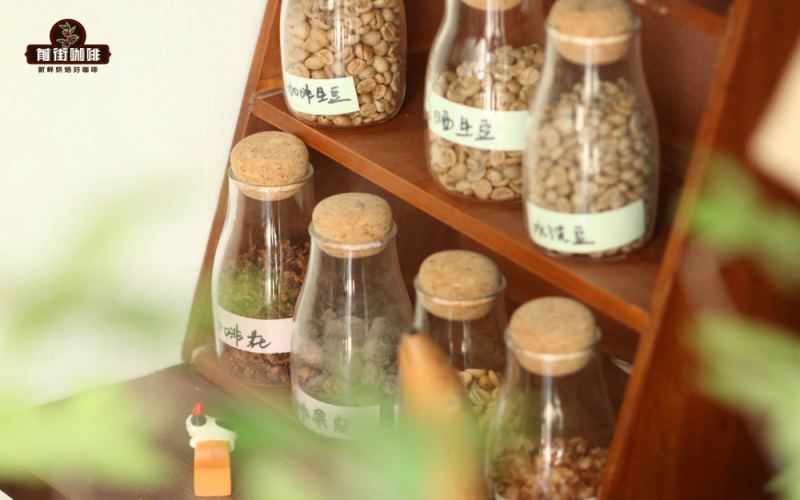
Espresso Tasting Guide: The Correct Way to Drink It and the Art of Flavor Balance
Espresso polarizes opinion: those who love it are addicted, while those who fear it stay away. Coffee novices are often drawn in by its wallet-friendly price, yet find themselves at a loss when faced with that small cup of intense, bitter liquid. Front Street Coffee is often asked: what exactly are you drinking in this cup of coffee? Behind the seemingly simple operation lie rigorous principles and the skill of the barista. This article covers the history and evolution of espresso, the control of extraction parameters, the flavor code of Front Street's Warm Sun blend, and the correct use of ice water and a small spoon, offering a comprehensive analysis of how to appreciate this espresso-based coffee and guiding you to savor its balanced, mellow charm. [more…]
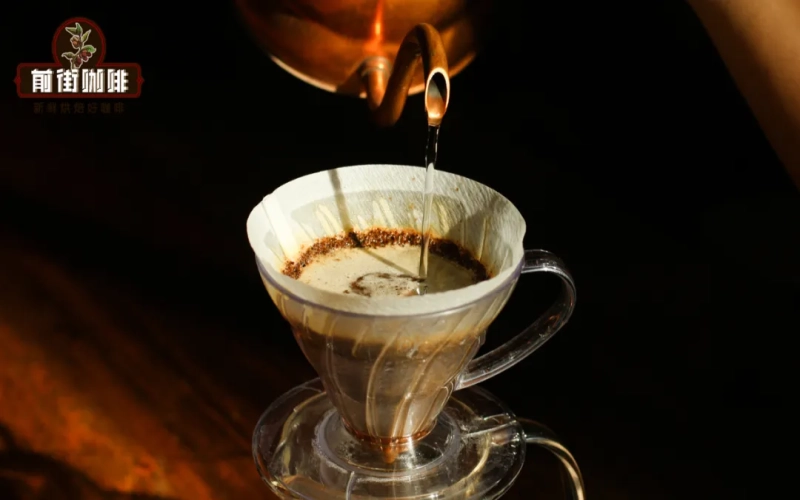
Can coffee grounds be brewed a second time? Analyzing why coffee, unlike tea leaves, cannot be repeatedly re-steeped from the perspective of extraction yield and flavor balance
A friend once asked while buying beans at the Front Street store: can coffee grounds that have already been brewed once be used again for a second cup? Some bloggers online have also demonstrated that a second brew can still yield decent flavor. From a practical standpoint, of course coffee grounds can be brewed again—even a third or fourth time. But "can be brewed" and "tastes good" are two entirely different matters. This article starts from actual tests on Front Street's Sidra, and combines the proportion of soluble matter, extraction yield control, and the differences in dissolution rates of acidity, sweetness, and bitterness to explain why coffee is usually brewed only once, and the fundamental reasons why a second brew tastes thin and lacks layering, before offering a conclusion that better suits the general palate. [more…]

Why Does Pour-Over Coffee Taste Sharply Sour? Analyzing Under-Extraction and How to Balance Sourness, Sweetness, and Bitterness
Many coffee enthusiasts enjoy a well-balanced pour-over in cafés, with its harmonious blend of acidity and sweetness, yet when they brew at home, they often end up with a sharp, jarring sourness that leaves them puzzled. In reality, the flavor of coffee depends on the proportions of three types of substances: acids, sugars, and bitters. Sharp sourness is often a sign of imbalance—it’s not necessarily that there are too many acidic compounds, but rather that not enough sweet and bitter substances have been extracted. Front Street Coffee will take a deep dive into the principles behind sharp sourness and, from three angles—lowering the coffee-to-water ratio, extending the extraction time, and raising the water temperature—provide concrete, actionable adjustments to help you brew a smooth, mellow pour-over at home. [more…]
Espresso Extraction Key Points: Analysis of the 14g Dose, 50ml, 25-Second Standard and Tamping Techniques
The extraction of espresso may seem simple, but in reality it hides quite a few intricacies. When many coffee enthusiasts learn to make Espresso, they encounter a classic set of parameters: 14 grams of coffee grounds, extracting 50 milliliters, in 25 seconds. However, in actual practice, not many people truly extract according to this standard, often because of poor past experiences and a habit of increasing the dose to achieve a stronger flavor. In fact, extracting 50 milliliters from 14 grams is precisely an ideal baseline for testing a coffee bean's flavor performance, allowing for a relatively complete extraction of the coffee's balanced taste. On this basis, increasing the dose and adjusting the concentration according to personal preference is the more scientific approach. This article will focus on key steps such as grind setting, tamping pressure, and extraction observation, breaking down in detail the essentials of making espresso to help you produce a cup of balanced-flavor Espresso. [more…]

How to Adjust Imbalanced Acidity and Bitterness in Pour-Over Coffee? Find the Cause in Grind, Extraction, and Roast Level
A good cup of black coffee should have a balanced ratio of acidity, sweetness, and bitterness—if any one of these is too prominent, it will break the balance. In cupping, we emphasize harmony of flavors, but in everyday brewing, slight missteps with variables such as grind size, coffee-to-water ratio, and water temperature can make the coffee taste sharply sour or burnt-bitter. In this article, Front Street Coffee will focus on the common causes of acid-bitterness imbalance in pour-over coffee, with emphasis on the relationship between grind size and extraction time, while also explaining how roast level affects the perception of bitterness, and offering simple, practical adjustment directions to help coffee lovers quickly identify the problem and brew a smoother cup. [more…]

Coffee bean recommendations for espresso extraction: how different roast levels change the cup profile
The roast level shifts the flavor focus and extraction rhythm of coffee beans. Light roasts tend to retain more floral and fruity notes and bright acidity, medium roasts often show sweetness and balance, while dark roasts lean toward nutty, cocoa, and full-bodied flavors. There is no hierarchy among them; the key is whether they match your brewing method. Espresso extraction centers on dose, grind [more…]
The Impact of Extraction Time on Pour-Over and Espresso Flavor and the Release Patterns of Sourness, Sweetness, and Bitterness
Why is coffee extraction time so critical? It all comes down to the soluble flavor compounds that make up just 30% of a coffee bean. These compounds fall into three categories—acids, sugars, and bitter substances—each with a different dissolution rate and peaking at different times. If extraction is too short, the coffee tastes thin and sharply acidic, lacking the support of sweetness and bitterness; if it goes on too long, bitterness overwhelms everything else. Therefore, ending extraction after sweetness has been released in abundance but before bitterness floods in is the key to a balanced cup. For pour-over coffee, using 15 grams of beans as an example, the time is typically kept between 1 minute 50 seconds and 2 minutes 25 seconds. Additionally, acidity, sweetness, and bitterness are not released sequentially but simultaneously—only their peak moments differ. This is a common misconception. [more…]

The Essence of Specialty Coffee: A Professional Interpretation and the Art of Balance from Green Beans to the Cup
The definition of specialty coffee goes far beyond the coffee beans themselves; it depends even more on whether the roaster and brewer can interpret the characteristics of each bean from a professional perspective. This article explores the core of specialty coffee in depth: from green bean varieties, processing methods, and moisture content to roasting curves, and then to the precise control of extraction parameters, emphasizing that only by fully understanding and accommodating the personality of the coffee beans can one present a cup of specialty coffee with balanced flavor and no jarring notes. Whether Robusta or Arabica, as long as the strengths are properly showcased, either can become specialty. The article also points out that blindly following brewing trends or ignoring basic extraction principles cannot achieve true specialty coffee. [more…]

Jamaica Blue Mountain Coffee Flavor Analysis: From Origin and Grade to the Sweet-Bitter Balance in Pour-Over and Drip Bag Brewing
Jamaican Blue Mountain coffee is renowned worldwide for its rich aroma and smooth, balanced flavor, making it a classic representative of specialty coffee. This article begins with the growing environment and grading standards of the Blue Mountain range, examining how washed processing and quality inspection shape the clean, balanced flavor of Blue Mountain No. 1, and further shares Front Street Coffee's recommended Kono dripper pour-over parameters, three-stage pouring scheme, as well as adjustment ideas for grinding, water temperature, and pouring to avoid bitterness. It also includes a convenient brewing method for Blue Mountain drip bag black coffee, helping coffee enthusiasts consistently recreate the dark chocolate, nutty, and caramel sweetness of Blue Mountain No. 1 in daily life. [more…]
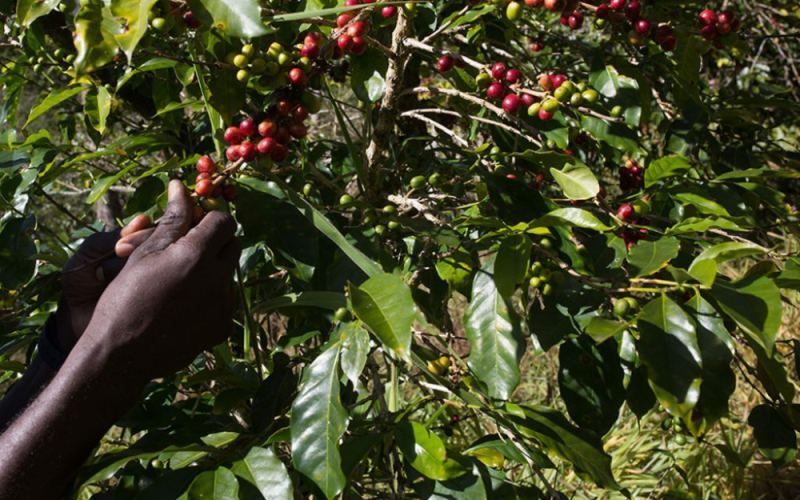
Jamaica Blue Mountain No. 1 Coffee Bean Brand Recommendations: Is Hand-Brewed Specialty Blue Mountain Bitter? Flavor and Brewing Analysis
Jamaican Blue Mountain coffee originates from the Blue Mountains on a Caribbean island, where volcanic soil and a year-round climate of mist and rain create its world-renowned balanced flavor. Coffee labeled "Blue Mountain flavor" or "Blue Mountain blend" on the market is not authentic Blue Mountain coffee; only four administrative districts are truly certified by the Jamaica Coffee Board, and Clifton Mount Estate is one of these ancient production sites that remains in operation today, as well as the only Blue Mountain estate with Rainforest Alliance certification. The Blue Mountain No. 1 coffee beans currently sold by Front Street Coffee come from Clifton Estate. This article will analyze the bitterness profile of Blue Mountain No. 1 and the source of its sweet-sour-bitterness balance, from production region certification and estate background to roasting and extraction approaches and specific pour-over parameters, and provide the complete brewing method and flavor description used at Front Street's shop, helping coffee enthusiasts gain a more comprehensive understanding of this classic coffee. [more…]
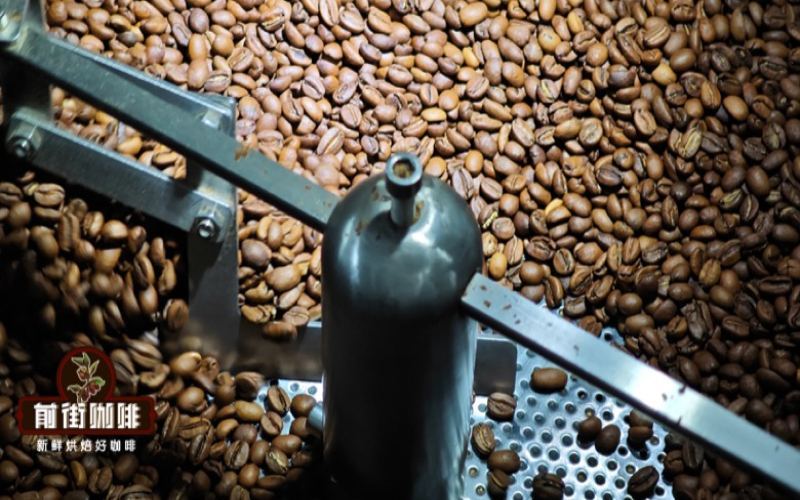
Balanced Sweet and Acidic Beans: A Coffee Experience Like Fruit Juice
A bean with balanced acidity and sweetness tastes like "juice but with coffee flavor": the acidity isn't sharp, the sweetness isn't cloying, and the two interlock just right. Front Street Coffee's Ethiopian Huakui is the model of this balance—the tropical fruit acidity is held up by the passion fruit sweetness, and the first sip is a lively juice-like sensation; Kenya's Little Tomato, meanwhile, is the dark plum acidity plus yellow [more…]